Symposium 2026
Tribology in Industry and Research
50 years Austrian Tribology Society
November 17-19, 2026
Motivation and Thematic Focus
Programme

Interviews
Die Tribologie – Ein Auslaufmodell oder ein Zukunftstreiber?
Patrick Beau, Optimol Instruments Prüftechnik GmbH
Hier klicken, um den Inhalt von VideoPress anzuzeigen.
Learn more in VideoPress’s privacy policy (opens in a new tab).
Forschungsfragen in der e-Mobilität
Katharina VÖLKEL, Lehrstuhl für Maschinenelemente (Prof. Stahl), TU München
Hier klicken, um den Inhalt von VideoPress anzuzeigen.
Learn more in VideoPress’s privacy policy (opens in a new tab).
New measurement equipment at AC²T
Rainer Franz, AC2T research GmbH
Hier klicken, um den Inhalt von VideoPress anzuzeigen.
Learn more in VideoPress’s privacy policy (opens in a new tab).
Inspired by grease lubrication
Piet Lugt, SKF Research & Technology Development
Hier klicken, um den Inhalt von VideoPress anzuzeigen.
Learn more in VideoPress’s privacy policy (opens in a new tab).
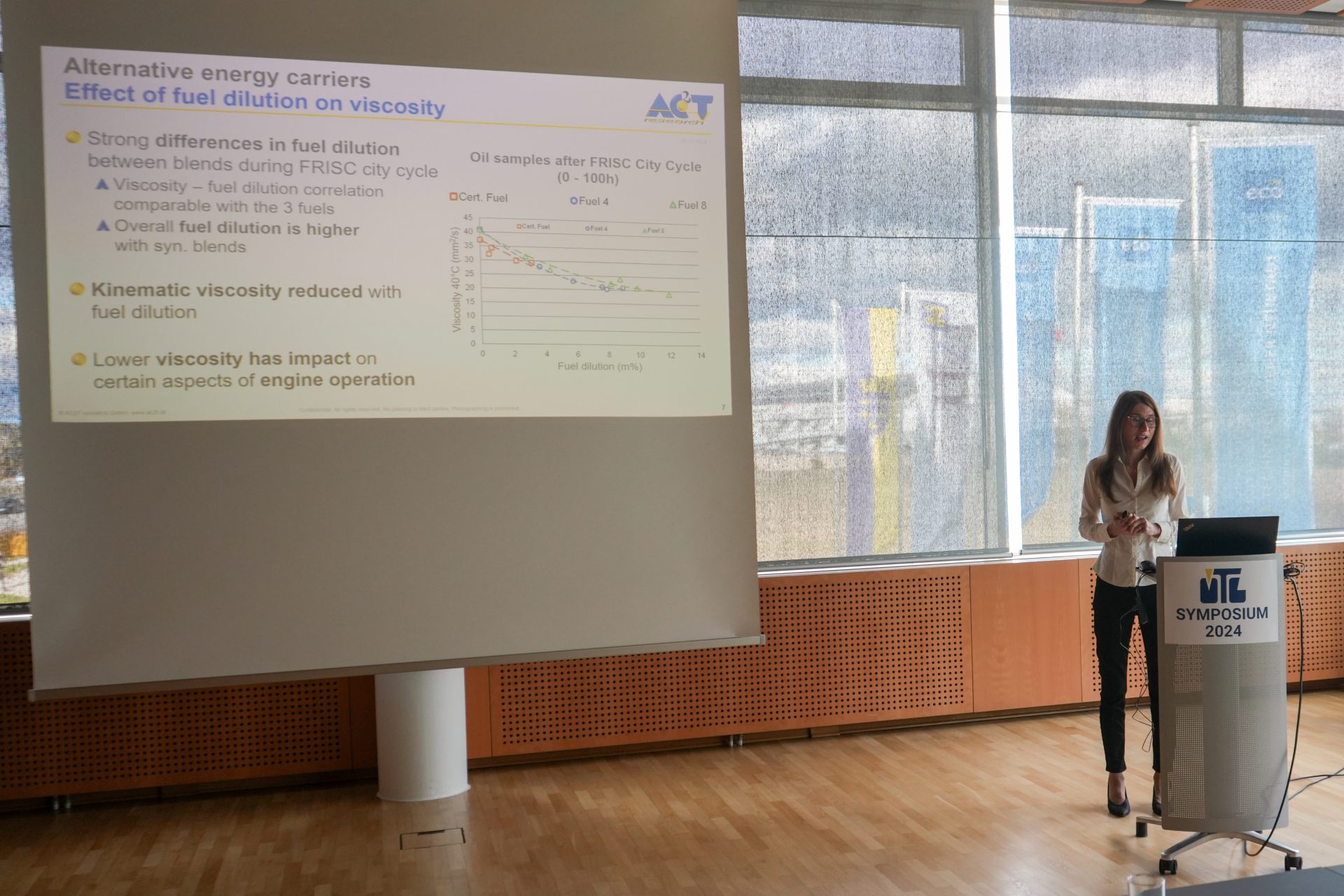
Research in alternative fuels
Marcella Frauscher, AC2T research GmbH
Hier klicken, um den Inhalt von VideoPress anzuzeigen.
Learn more in VideoPress’s privacy policy (opens in a new tab).
Interesting innovations in tribology
Kartik Pondicherry, Anton Paar GmbH
Hier klicken, um den Inhalt von VideoPress anzuzeigen.
Learn more in VideoPress’s privacy policy (opens in a new tab).
Der Einstieg in die Tribologie
Mirjam Bäse, Magna Powertrain GmbH & Co KG & Gesellschaft für Tribologie e.V.
Hier klicken, um den Inhalt von VideoPress anzuzeigen.
Learn more in VideoPress’s privacy policy (opens in a new tab).
Highlights des ÖTG-Symposiums 2024
Andras Vernes, AC2T research GmbH
Hier klicken, um den Inhalt von VideoPress anzuzeigen.
Learn more in VideoPress’s privacy policy (opens in a new tab).
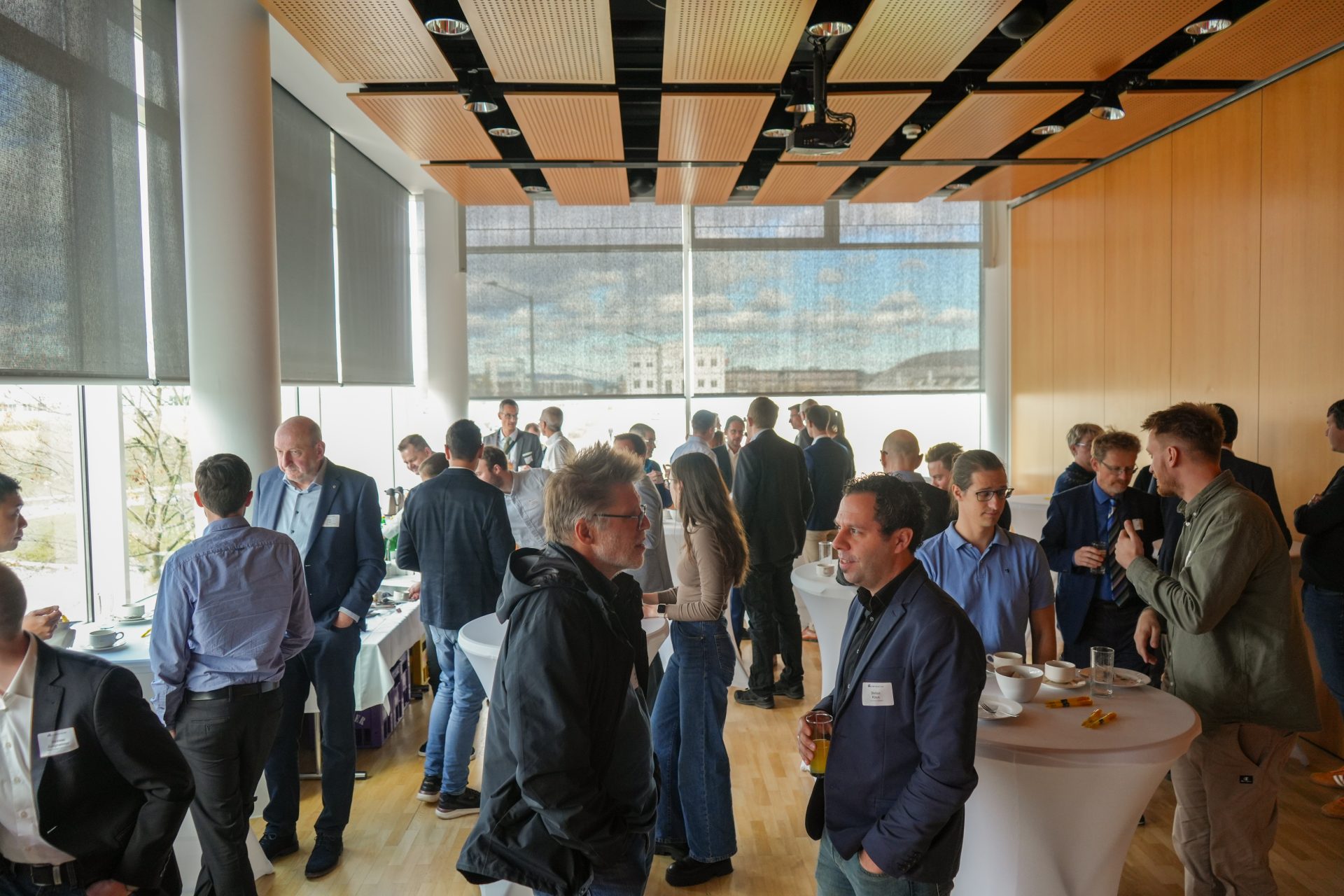
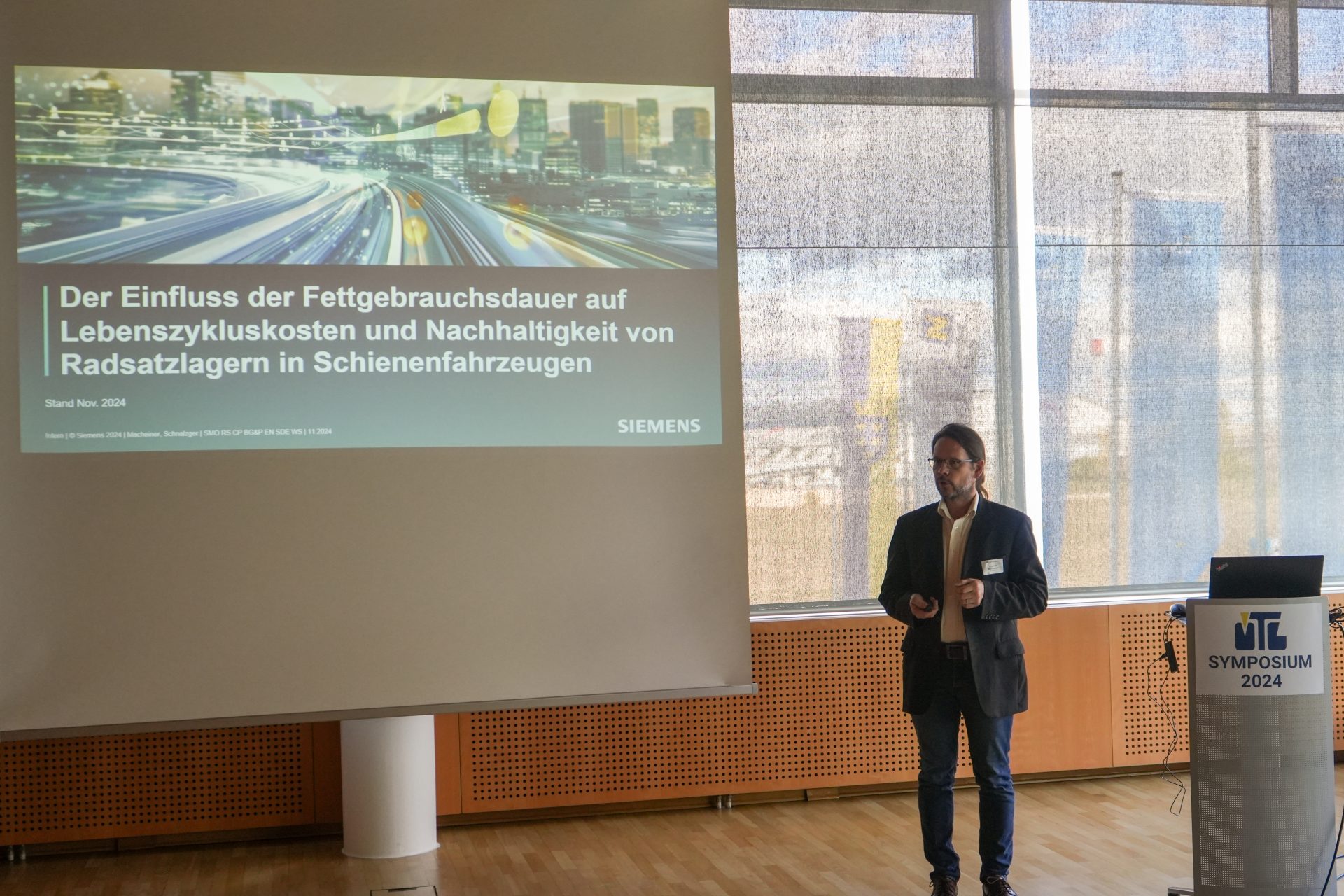
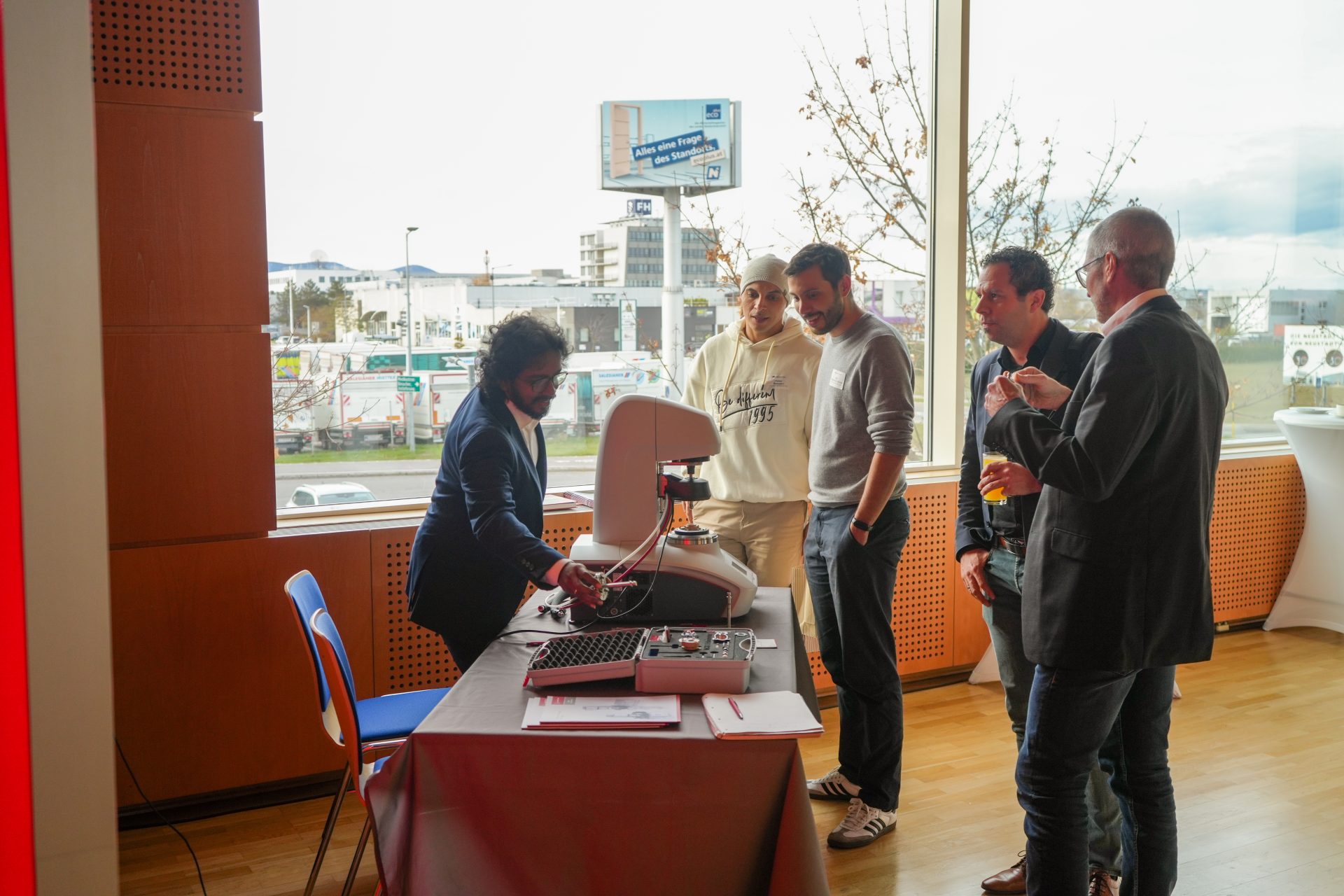
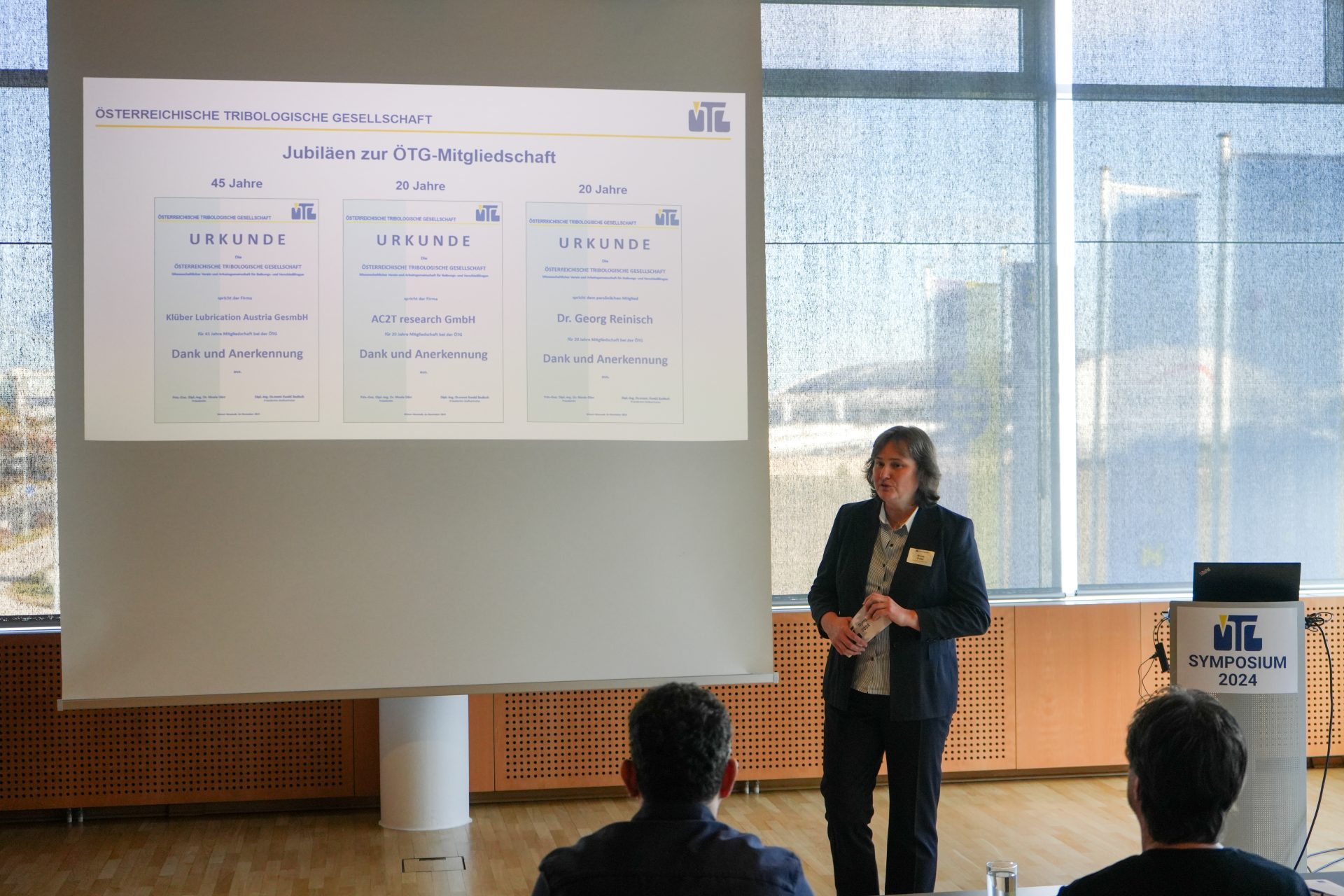
Fotos
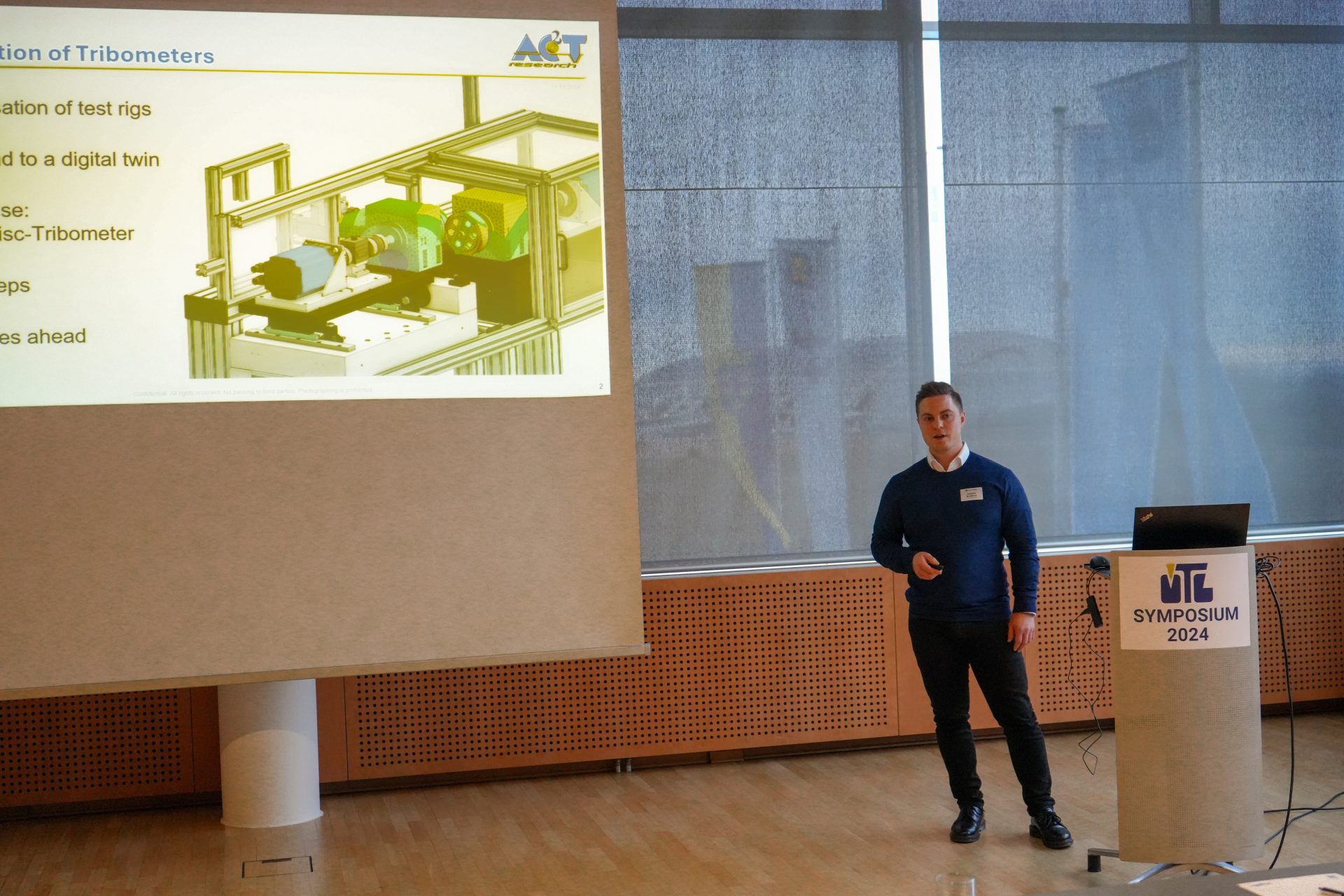
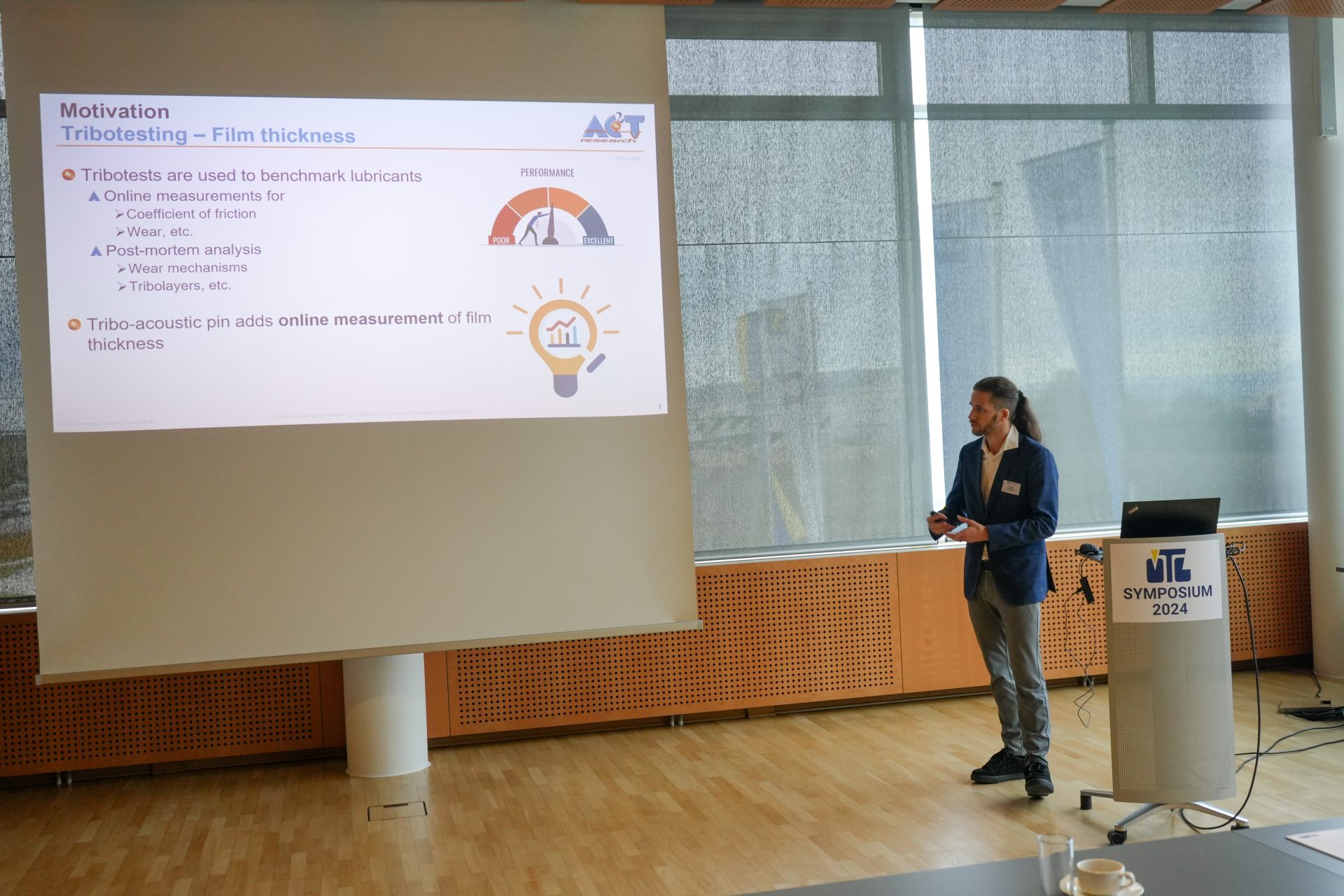
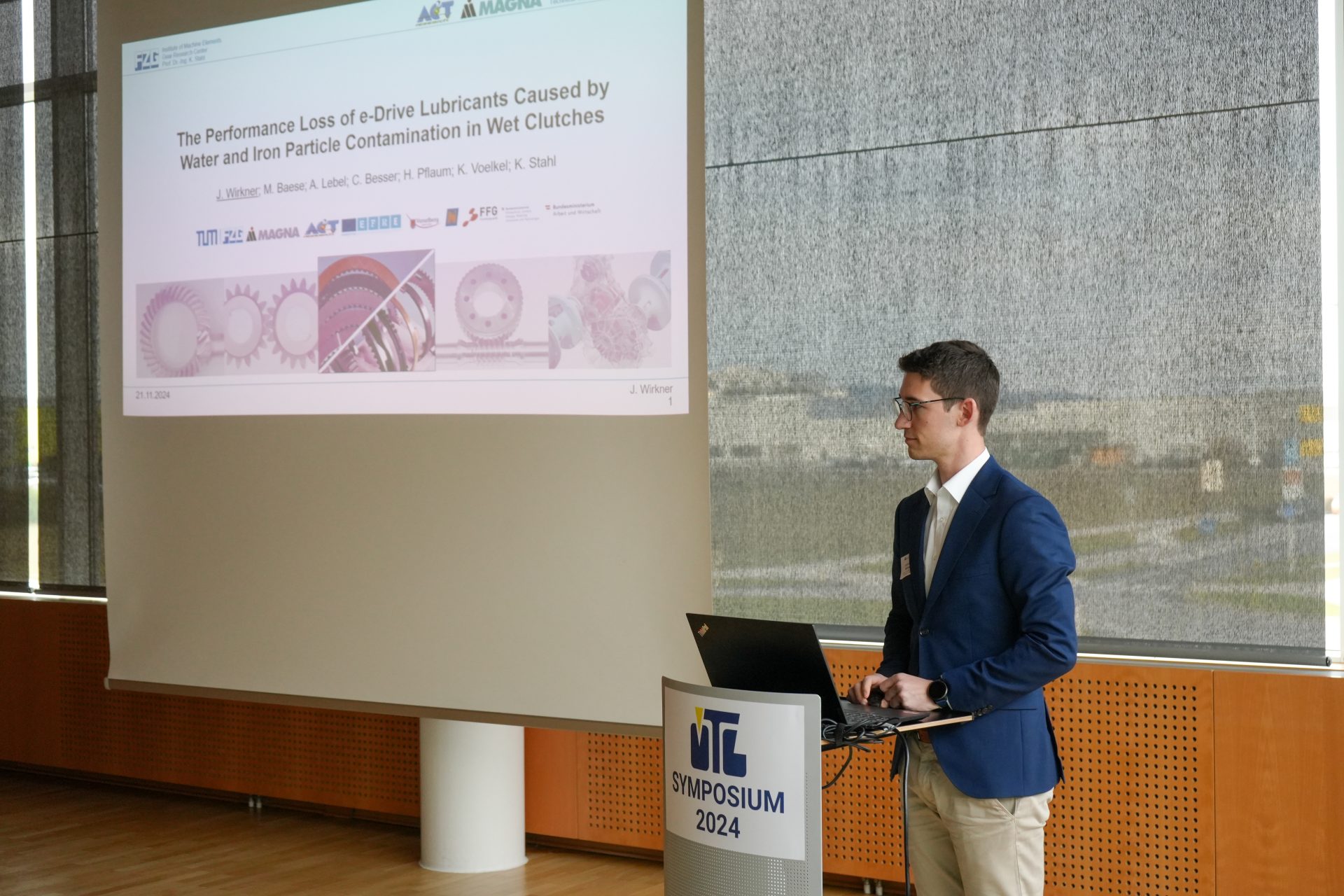
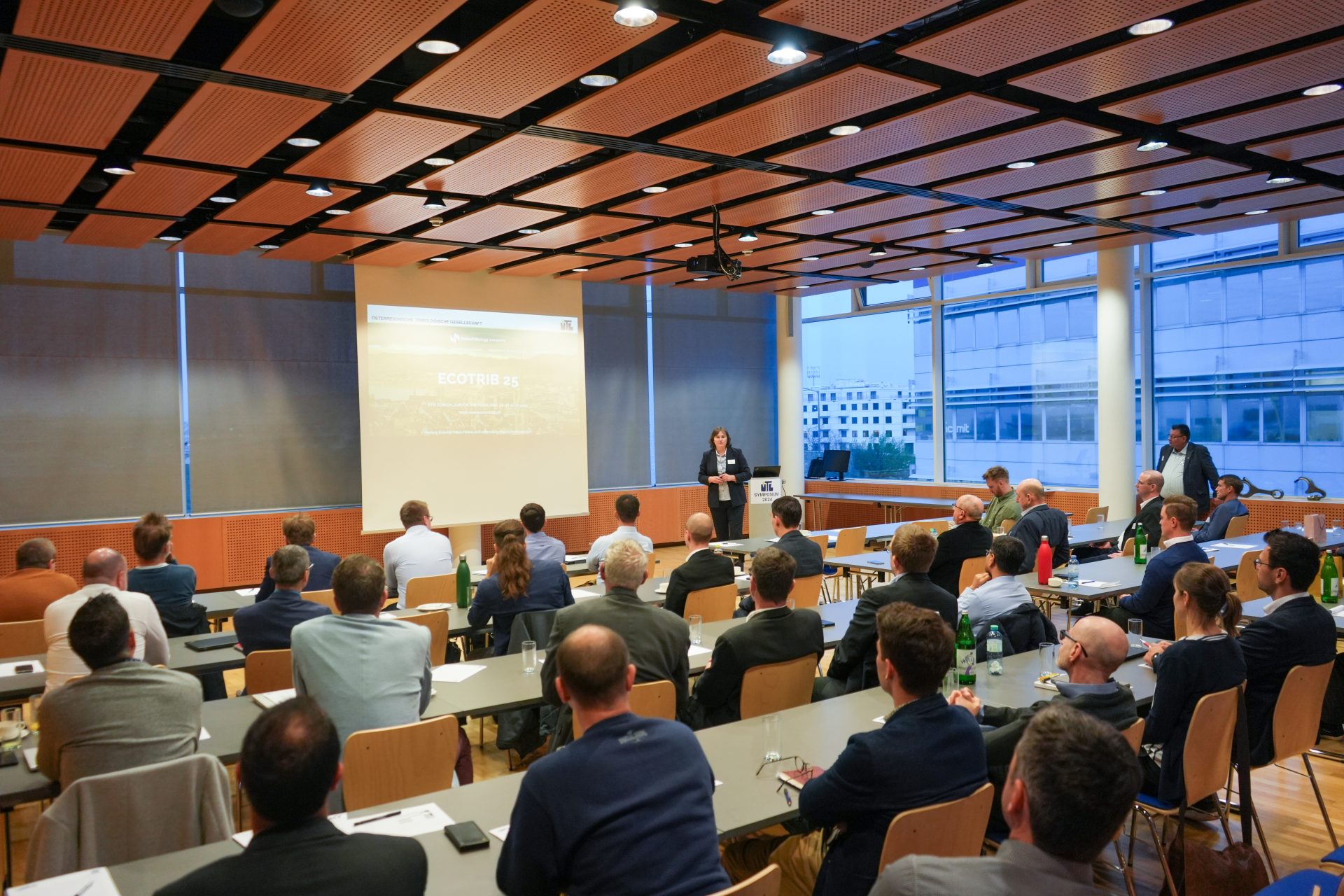
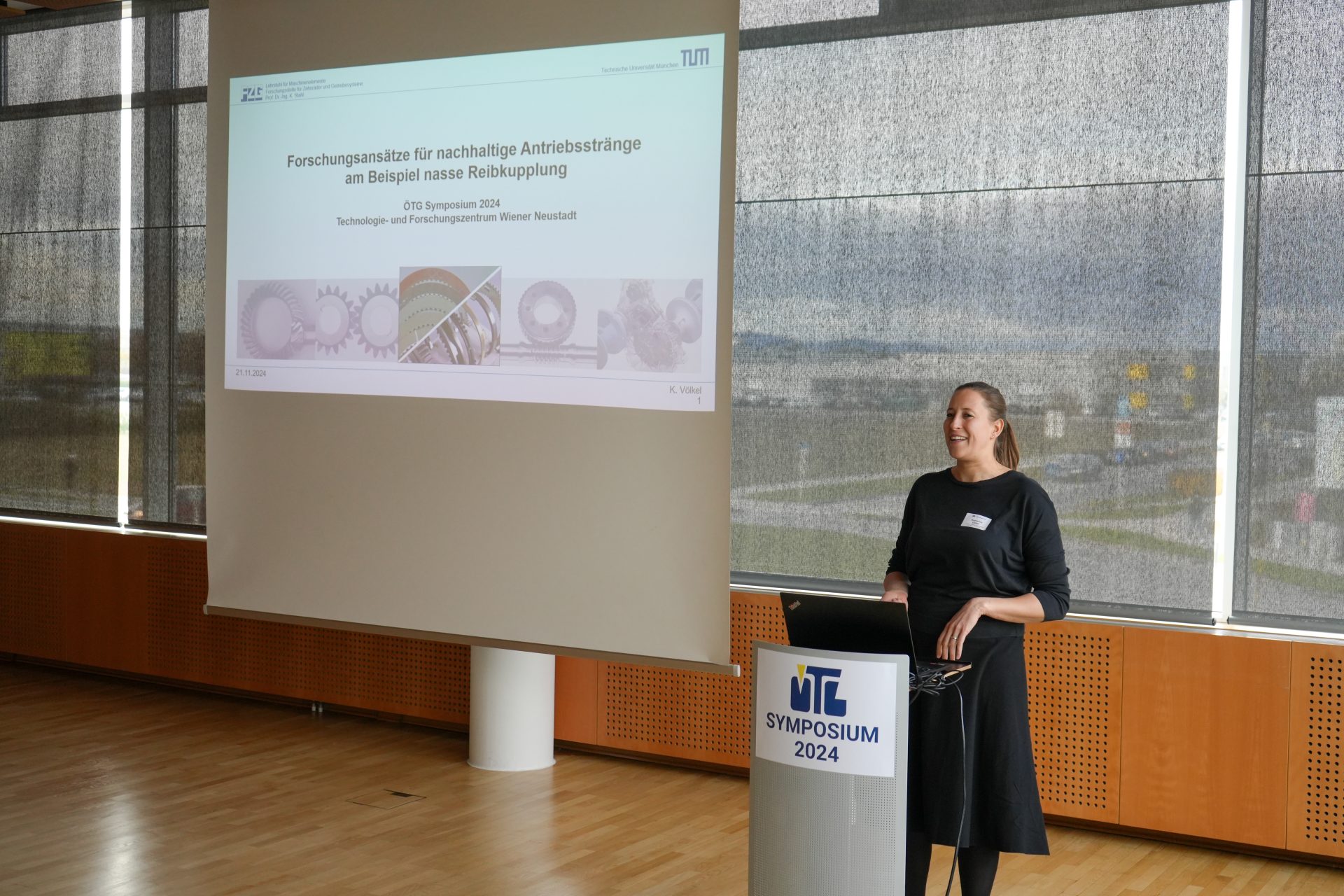
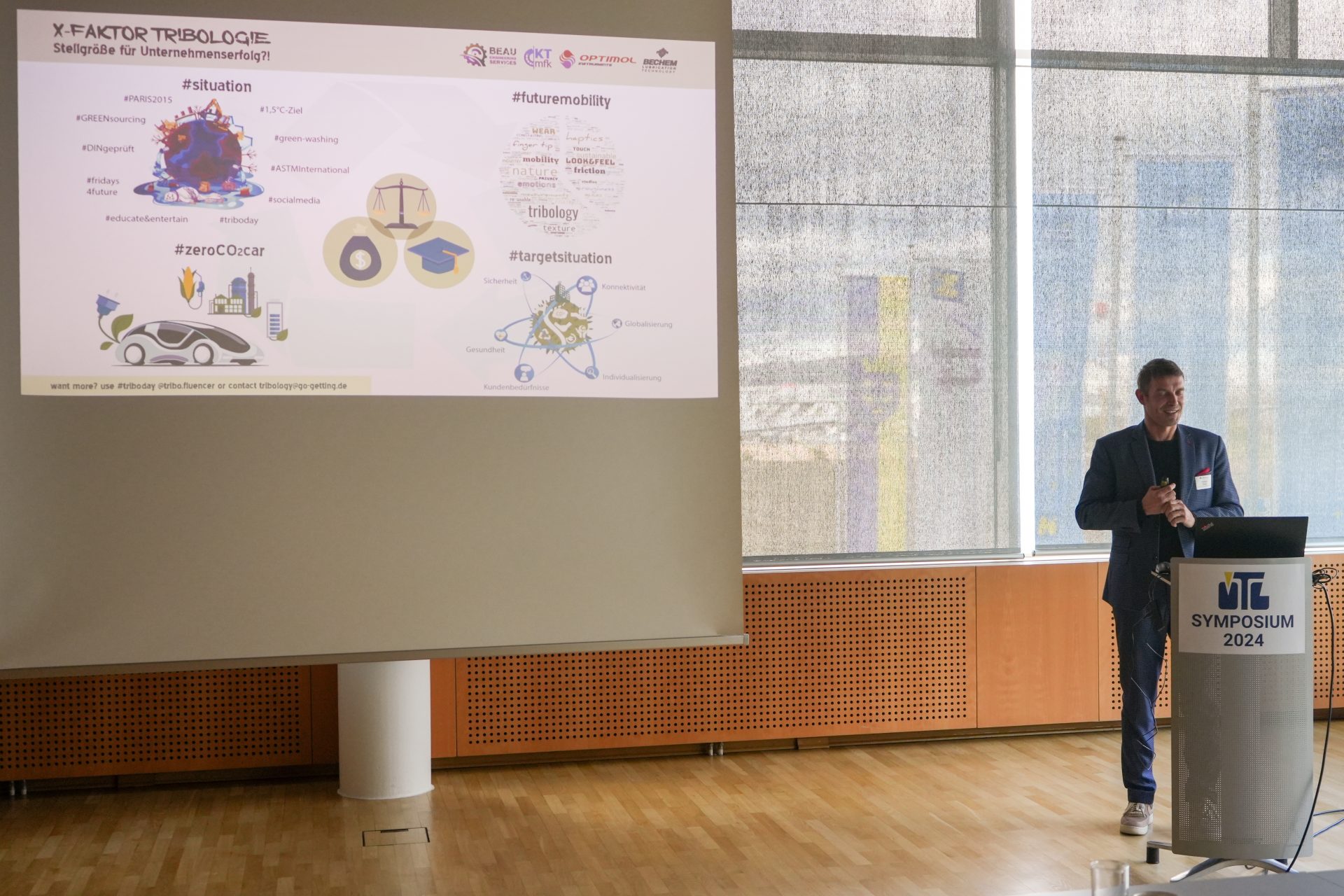
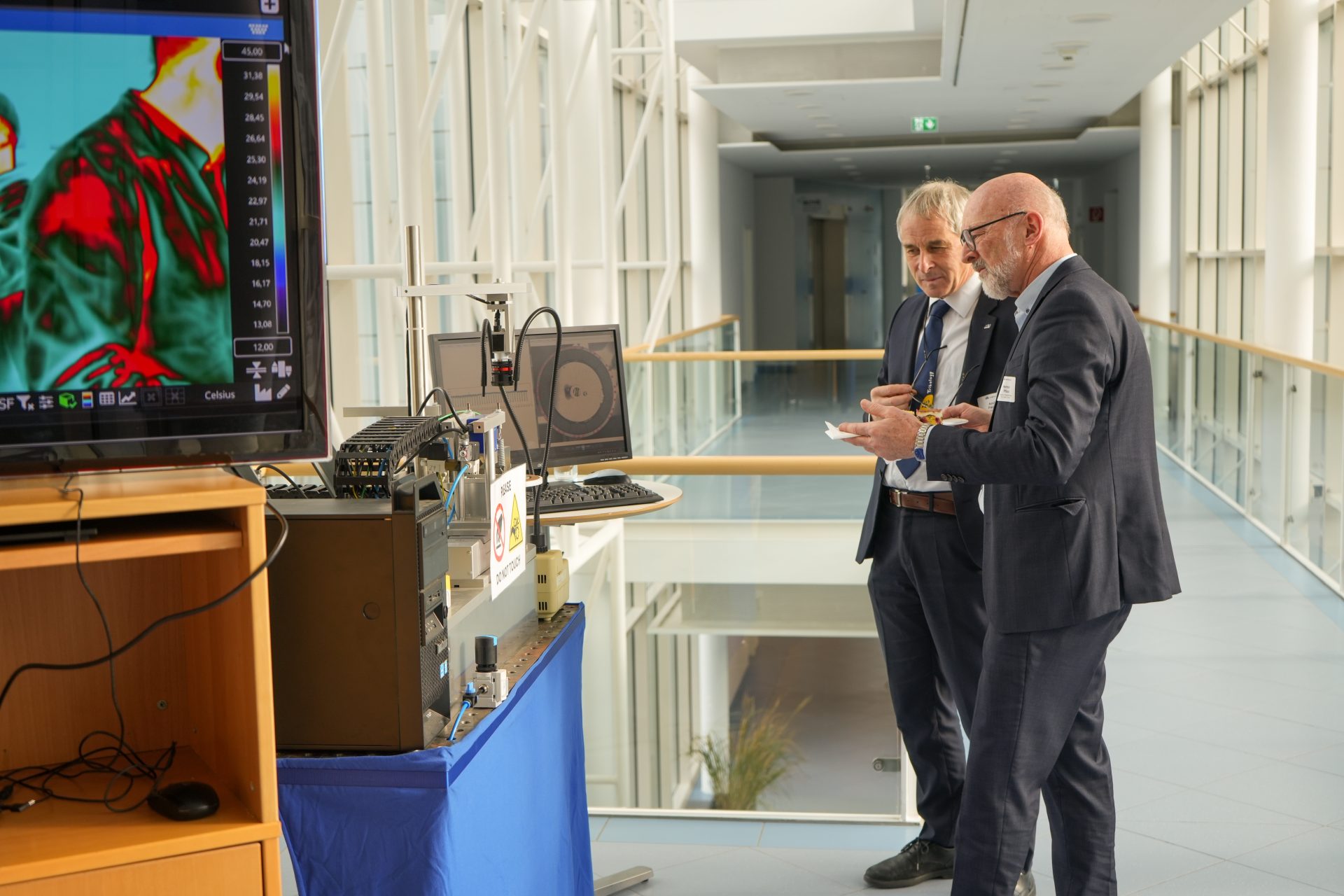
Seminar | Wine Tribology
17 November 2026 | 13:00-18:00 | ARCOTEL Kaiserwasser Vienna
Rheology in Tribology
Piet Lugt, SKF Research & Technology Development, NL
Speaker

Prof.em.
Nicholas SPENCER
ÖTG Symposium
50 years Austrian Tribology Society & Technical talks
18 November 2026 | 14:00-18:00 | ARCOTEL Kaiserwasser Vienna
Keynote speakers
50 Years of the ÖTG – An “Obscure Society” looks back (and beyond)
Shortly after the term “tribology” was coined, a young scientist (H. Detter) at the Technische Hochschule Wien took up the topic in several projects and ultimately founded the ÖTG in 1976. This society – described as “obscure” by a magazine – steadily established itself as a leading scientific-technical organization. ÖTG activities, above all the annual symposia, were soon enhanced by internationally oriented conferences. Highlight to date: the 2 nd World Tribology Congress in 2001.
The ÖTG also served as the coordinator for a series of scientific and technical initiatives as well as for consulting. ÖTG ultimately served as the nucleus for the Austrian Competence Center for Tribology in Wiener Neustadt (beginning in 2002). Looking to the future and in line with its objectives, the ÖTG is involved in two additional technology institutions related to tribology.

Friedrich FRANEK
ÖTG (AT)
Sustainability is a top priority at the Austrian Centre of Competence for Tribology
Sustainable tribology is becoming a key field for the next generation of energy-efficient, connected, and circular technologies.
Innovative high-performance lubricants, bio-based additives, intelligent surface coatings, and adaptive material systems offer new opportunities to significantly reduce friction, wear, and energy losses as early as the development stage. By using AI, digital twins, real-time sensing, and data-driven simulation models, tribological systems can be designed proactively, monitored, and continuously optimized throughout their entire life cycle. Resource-efficient materials, closed-loop material cycles, minimal lubricant use, and predictive maintenance concepts are becoming increasingly important.
Sustainable tribology is thus emerging as a key enabler of low-emission industrial processes, durable machinery, smart mobility, and future-ready technologies that deliver measurable environmental and economic value.

Ewald BADISCH
AC2T research GmbH (AT)
Comparable, Traceable, trustworthy — Tribology ready for AI
Tribological testing still starts from zero far too often: results that cannot be compared, data that cannot be traced, wheels reinvented in every lab.Born out of the ÖTG family, i-TRIBOMAT was created to change that, building a pan-European network of laboratories that work to harmonised protocols and a common data structure. Isolated test results become comparable, traceable and trustworthy data – the foundation for robust models and AI in tribology.
This talk follows that path from where i-TRIBOMAT came from to what it delivers today, always driven by real industrial problems. Industrial highlights demonstrate what this means for industry today – and where it is headed: tribological models, material and testing data, all connected to the questions industry actually needs answered.

Xavier BORRAS
i-TRIBOMAT GmbH (AT)
Space Tribology
Aerospace and Advanced Composites GmbH is a spin-off of the Austrian Institute of Technology and is active in the research and development of materials and technologies for space and terrestrial applications.
Conditions in space place special demands on tribological contacts – at the same time, tribological solutions developed for space also offer interesting potential for terrestrial applications. Cold welding, dry lubrication, and frictionless holding mechanisms are examples of why solutions developed for space also have a future on Earth.

Roland HOLZBAUER
Aerospace & Advanced Composites GmbH (AT)
Many years of successful cooperation between Austrian and Serbian tribologists - results, perspectives and challenges
Starting with the first contacts at the World Tribology Conference (WTC) in London in 1997 with Professor Friedrich Franek and in Vienna in 2001, cooperation with Austrian colleagues became one of the most important international contacts for Serbian tribologists and strong motivation for investigation and work. This long-term cooperation has resulted in numerous joint works on sliding and rolling bearings, gears, and other tribological phenomena, presented at many international conferences, including the annual OeTG Symposium as an important platform. Exchanges of young tribologists and visits to AC2T in Wiener Neustadt were a new aspect in common work and add new perspectives, motivation and challenges in future common investigations.

Aleksandar MARINKOVIĆ
University of Belgrade (RS)
From Scientific excellence to industrial leaderships
Europe and Austria have a strong position in quality of life, scientific research, and specialised high-tech industry, yet face comparatively modest growth that risks eroding long-term prosperity. Strengthening industrial competitiveness and accelerating the translation of R&D into market-ready applications are therefore paramount. Priority measures include lowering energy, non-wage labour, and administrative costs, alongside streamlining approval procedures to enable faster investment.
At EU level, the proposed European Competitiveness Fund, closely aligned with Horizon Europe, is designed to convert innovation into scalable products and European champions. Nationally, Austria’s industrial strategy focuses on nine key enabling technologies complemented by new instruments for leading companies, venture capital, life sciences, and defence.

Florian FRAUSCHER
Federal Ministry of Economy, Energy and Tourism (AT)
Challenges facing Austrian industry – The contribution of R&D
Austria is one of the world’s most advanced industrial economies. Its manufacturing sector comprises around 80,000 companies with approximately one million employees. Ranked 8th in the European Innovation Scoreboard 2026, Austria is among Europe’s Strong Innovators. Sweden, Denmark and the Netherlands lead innovation within the EU, while Switzerland remains Europe’s most innovative economy. In global competition, however, being above average is not enough – and the same applies to research and development.
This presentation examines the challenges and needs of Austria’s research, technology and innovation (RTI) system composed of leading companies, SMEs, startups, universities, and research institutions. It explores what is needed to accelerate R&D innovation in Austria and build technological leadership.

Michaela ROITHER
Industriellenvereinigung Niederösterreich (AT)
Design for reliability in tribology
Tribological aspects are often only considered during the testing phase of service-life design.
This talk discusses what design for reliability principles mean in the context of tribology, how tribological damage mechanisms can be addressed at an early stage of the development process, and what implications these approaches have for industrial practice.

Jörg SCHÖFER
Robert Bosch GmbH (DE)
Tribology in transition – challenges and strategic reorientation
Drawing on decades of consulting experience, the speaker explores the future of tribology using his self-developed method of fractal analysis. The talk examines strategic direction for the field of tribology, among other topics, future skills and expertise, analysis of viable kinematic systems without tribological effects, international research networks, and global market developments. The author recommends closer collaboration among TU Wien, ÖTG, and AC2T research GmbH as three important Austrian tribology institutions, aiming to strengthen the links between fundamental research, knowledge transfer and education, as well as industrial problem-solving competences.

Helmut DETTER
ÖTG (AT)
ÖTG Symposium
Technical talks
19 November 2026 | 09:00-16:30 | ARCOTEL Kaiserwasser Vienna
Plenary
Invited talks
Combining generative AI with reactive and classical molecular dynamics for sustainable lubricant design
Regulatory pressure to replace toxic and persistent lubricant components is accelerating the search for sustainable alternatives.
Within the EU project “SiToLub”, we combine generative AI with reactive and classical molecular dynamics (MD) to screen lubricant candidates before synthesis. Reactive MD evaluates additives and base oil aging, while an automated classical MD workflow predicts viscosity, linking molecular design directly to lubricant performance.

Hendrik EHRICH / Stefan J. EDER
AC2T research GmbH / TU Wien (AT)
Are MXenes the future of solid lubrication? From 2D materials to next-generation tribosystems
The increasing demand for efficient, durable, and sustainable mechanical systems highlights the limitations of conventional lubricants. Emerging applications in electric mobility, aerospace, robotics, and advanced manufacturing increasingly require innovative lubrication solutions. Two-dimensional materials, particularly MXenes such as Ti₃C₂Tₓ, offer promising alternatives through their layered structure, tunable surface chemistry, and versatile integration into coatings, composites, and liquid lubricants.
This presentation explores their potential for friction and wear reduction, addressing nanoscale lubrication mechanisms, tribofilm formation, hybrid lubrication concepts, and the influence of surface chemistry and environmental conditions. Key challenges include durability, stability, and scalability. Finally, opportunities for adaptive, multifunctional, and sustainable tribological systems are discussed.

Carsten GACHOT
TU Wien (AT)
Impact of ammonia fuel on the tribological system of journal bearings
Ammonia is considered a promising carbon-free energy carrier for future internal combustion engines. At the same time, its use leads to new challenges for tribological systems due to fuel dilution, combustion products, and their interactions with lubricants and bearing materials.
This talk introduces an experimental approach for investigating these complex fuel-oil-material interactions. The methodology combines artificially aged engine oils, material compatibility testing, tribological investigations, and experiments on engine-related test rigs. The aim is to systematically assess the potential effects of ammonia on lubricant condition, tribological properties, and the performance of journal bearing systems, while developing suitable test methods for such future applications.

Sebastian KIRCHHAMER
Miba Gleitlager Austria GmbH (AT)
Exotic tribology of soft interfaces
Biotribology-related methods have gained considerable importance in a broad range of applications, where soft, heterogeneous, and time-dependent contacts present unique experimental challenges. This talk presents case studies spanning food and beverages, ocular systems, skin, cosmetics and tissue, cartilage, implants, and personal care products using a rheometer-based tribometer with application-specific contact configurations.
Stribeck curves and breakaway friction measurements demonstrate the critical influence of specimen selection on tribological response and sample discrimination. For food and beverages, statistical analysis further established correlations between friction and sensory mouthfeel attributes. The findings highlight the importance of specimen selection, experimental configuration, and data interpretation in developing meaningful tribological correlations.

Kartik PONDICHERRY
Anton Paar GmbH (AT)
Schmieröle & -fette
Technical talks
AI-assisted validity assessment of the Patir-Cheng flow-factor model
Empirical tribology models are often applied without visibility of whether measured surface characteristics remain within their documented validity range. Using the Patir-Cheng flow-factor model as a case study, this contribution presents an AI-assisted workflow that identifies out-of-range surfaces from measured bearing data and assesses the potential impact on predicted flow factors. The approach improves model transparency and supports engineering review and quality assurance.

Stephen BEWSHER
AVL List GmbH (AT)
From nano- to complex macroscale dynamics in MXenes
Transition metal carbide/nitrides (MXenes) have gathered massive attention in the solid lubrication community owing to their exceptional physical and chemical properties. Surface terminations are responsible for the intermolecular interaction of MXene flakes, effectively controlling their nano- to macroscopic tribological performances. In this talk, we will first explore how to probe the nanomechanics of single extra thin MXene flakes, then, we will connect complex phenomena at the macroscale observed in MXene hybrid coatings.

Pierluigi BILOTTO
TU Wien (AT)
Wood-derived C/C-SiC ceramic bushings: From bio-based feedstock to tribological performance
Can a high-performance ceramic bushing begin as sawmill waste?
This talk introduces wood-derived C/C-SiC plain bearings produced through shaping, pyrolysis and liquid silicon infiltration. It examines how the resulting microstructure and residual carbon influence friction, wear, and temperature capability, and discusses the potential of this material route to combine demanding tribological performance with more resource-efficient ceramic processing.

Christoph BLEICHER
SKF Group (AT)
Tribological behaviour of fibre-reinforced thermoset composites in water-lubricated composite/composite contacts
Polymer composites are increasingly used in water-lubricated applications, including pumps and hydraulic systems, where both contacting components may consist of polymer composites. However, their tribological behaviour in polymer-composite/polymer-composite contacts remains poorly understood, particularly for thermoset materials. This study investigated water-lubricated contacts between phenolic thermoset composites reinforced with glass or carbon fibres. Their friction and wear behaviour was evaluated under a range of operating conditions, with particular attention given to the role of fibre reinforcement and its response during sliding. The findings provide insight into the mechanisms governing friction and wear.

Lucija ČOGA
University of Ljubljana (SI)
Bridging lab-scale research and industrial application in polymer tribology
Polymer composites are widely used in tribological applications because of their low density, good corrosion resistance, self-lubricity, and wear resistance. However, translating lab-scale findings to industrial scale remains challenging due to gaps in fundamental understanding and engineering design. This presentation addresses this transition towards a semi-industrial prototype. Two in-house developed composites were benchmarked against commercial materials in reciprocating pin-on-plate tests at 20 MPa under dry, water, and environmentally adaptive lubricant (EAL) conditions simulating turbine guide vane bearings. The developed composites reduced friction by up to 74%, while EAL lubrication reduced friction and wear by up to 98%, suggesting improved bearing service life.

Nazanin EMAMI
Luleå University of Technology (SE)
University of Ljubljana (SI)
Newton, Pascal, and the quest for flow: A deep dive into viscometry
This presentation is supposed to be a journey into the world of viscometry. Although it is distinct from the much more complex field of rheology, the specific challenges of this discipline should not be overlooked. Using the example of a newly developed measurement principle and the steps involved in the development process, the audience will gain a deeper understanding of viscometry. Specific problems and their solutions will be supported by exemplary data, and attempts will be made to provide a physical explanation. Look forward to a highly viscous journey into the land of Newton and Pascal.

Thomas FEISCHL
eralytics GmbH (AT)
From inline oil sensor data to maintenance action: Sensors, condition monitoring and filtration
Predictive maintenance using inline oil sensors requires insight into sensor performance and limitations as well as lubrication system variables. This talk presents experience from more than 200 inline sensor systems, with focus on oil condition monitoring, machine learning, and advanced modelling. Key filtration perspectives are discussed for controlling abrasive particles, oil oxidation, and additive depletion, linking sensor insights to effective maintenance actions.

Morten HENNEBERG
C. C. Jensen A/S (DK)
The battery as a tribological system – New tribological challenges in electromobility
Vehicle batteries present not only electrochemical but also tribological challenges. Depending on the battery technology, numerous mechanically and electrically active interfaces influence performance, safety, and service life. This presentation explores a broad range of tribological contacts within battery packs as well as individual cells, including particle contacts, local volume changes, crack formation, and cell swelling. For solid-state batteries, specific interface stresses resulting from contact pressure, plastic deformation, and adhesion are discussed. Finally, the presentation highlights how tribology – through contact mechanics, in-situ methods, and modelling – can contribute to the development of robust battery systems.

Hannes HICK
TU Graz (AT)
Optimized hybrid bearings for industrial electric motor applications
Hybrid ceramic bearings are widely used in industrial electric motors due to their ability to prevent electrical erosion and improve performance under challenging lubrication conditions. However, their broader adoption is often limited by cost.
SKF developed a cost-optimized hybrid bearing concept, CeraDrive, based on downsized ceramic rolling elements while maintaining the key benefits of hybrid technology. This approach requires a careful balance between cost reduction and bearing performance, particularly with respect to contact pressure, fatigue life, lubrication behaviour, and friction.
Geometry optimization, material selection, and validation through performance testing demonstrate how an optimum balance between cost and performance can be achieved in hybrid bearing solutions.

Thomas KÖNIGSHOFER
SKF Österreich AG (AT)
Multi-scale insight into green lubrication: Coupling ML-driven molecular dynamics and experiments
Understanding tribofilm formation remains challenging due to complex tribochemical processes and limitations of conventional atomistic simulations. Here, tribofilm formation in water-based lubricants containing catechin, coumarin, or hexahydroxydiphenic acid (HHDP) was investigated by tribological experiments, surface characterization, Density Functional Theory (DFT), and Machine-Learning Interatomic Potentials (MLIPs). HHDP showed superior friction reduction and wear protection through thick iron-rich tribofilms.
Reactive molecular dynamics simulations based on DFT-trained MLIPs revealed that HHDP promotes hydrogen dissociation, strong O-Fe interactions, and iron release. The resulting Fe-containing complexes link HHDP molecules into extended supramolecular networks that progressively form tribofilms.
MALDI-MS and ToF-SIMS supported this tribofilm formation mechanism, demonstrating MLIPs’ potential for designing sustainable lubricant additives.

Sophie LOEHLE
TotalEnergies (FR)
Tribological and rheological characterization of lubricants and model fluids for in vitro implant stability testing
The mechanical stability of biomedical implants is essential for their long-term performance, making reliable in vitro testing methods important. This study investigates motor oil-based model systems as controlled and reproducible media for implant stability testing, alongside greases and aqueous biological-like fluids. Their tribological and rheological properties are compared in terms of viscosity, flow behaviour, friction, and lubrication. Motor oils offer advantages in reproducibility, tunability, stable composition, and cost-effectiveness, while greases and aqueous fluids better represent specific aspects of physiological interactions. The findings provide a framework for selecting model lubricants and developing standardized and predictive in vitro implant stability tests.

Sándor MANÓ
University of Debrecen (HU)
Bio is not enough – What makes a lubricant truly sustainable?
Bio-based, biodegradable, or non-toxic – but when is a lubricant truly sustainable? The answer is complex, as trade-offs arise between performance, costs, raw material availability, recycling, and environmental impact that cannot be adequately captured by individual criteria or simplified assessment models. From an industrial perspective, this talk explores why there is no “one-size-fits-all” solution for lubricants and why a holistic understanding of raw materials, formulations, and mechanisms of action is essential. Sustainable lubricants require looking beyond raw material selection – from assessment and development to application. Modern analytics and realistic characterization provide the foundation for sustainable product development.

Jessica PICHLER
AC2T research GmbH (AT)
Effect of solid-liquid interface phenomena on EHD lubrication
Interactions and phenomena on solid-liquid interfaces such as wetting, surface energy and solid-liquid slip can be used to design the lubrication of EHD contacts. In this presentation, several approaches based on surface modifications via coatings and additive adsorption will be shown based on the experimental studies. In addition, the effect of solid-liquid slip on EHD film thickness and friction will be presented via results from modelling line EHD contact.

Marko POLAJNAR
University of Ljubljana (SI)
Model testing and screening of wear properties of hot wire rolling components under realistic boundary conditions
Hot wire rolling produces wires and raw materials for screws, chains, springs, and rolling elements for bearings under extreme tribological conditions. This study investigates guide wear using a model test rig simulating wire speeds up to 50 m/s and temperatures up to 1000°C. Different guide and wire materials, loads, speeds, and temperatures were examined, complemented by damage analyses of worn components from the test rig and rolling mill. The results confirmed that the main wear mechanism, tribo-oxidative-driven surface delamination, could be closely reproduced on the test rig. Furthermore, Archard’s law was valid across a wide range of conditions, providing a basis for future wear modeling.

Michael PUSTERHOFER
Montanuniversität Leoben (AT)
Machine learning molecular dynamics simulation of lubricants and atomistic wear
With the introduction of machine-learning potentials (MLPs) in computational tribology, it became possible to accurately simulate tribochemical phenomena occurring at nanometer-sized asperities over several tens of nanoseconds. We developed software, SCS, to train accurate MLPs for tribological systems. Thanks to ML molecular dynamics (ML-MD), we could simulate not only additives but also the liquid solutions in which they are dissolved, realistically reproducing the onset of boundary lubrication at nano-asperity contacts. ML-MD also allowed us to identify plant-derived additives that make water-based lubricants effective under severe conditions and to monitor in real time the tribofilm formation from ZDDP molecules. Finally, by combining first-principles and ML-MD calculations, we unraveled the selective role of passivating species in reducing wear of microcrystalline diamond.

M. Clelia RIGHI
University of Bologna (IT)
Life cycle assessment-guided tribomaterials development
Tribomaterials often have high environmental impacts and rely on critical raw materials. To address this, all four sustainability strategies were evaluated through life cycle assessment, identifying iron-aluminide laser claddings as a promising solution.Sustainable, non-critical, and recycled feedstocks were used, resulting in coatings with excellent wear resistance that outperformed conventional tribomaterials. In addition, selected coatings achieved carbon-based self-lubrication, further improving sustainability and performance.

Harald ROJACZ
AC2T research GmbH (AT)
From reactive to predictive tribology: Towards Tribology 3.0
Tribology has traditionally relied on experiments to reproduce failures, compare lubricants and materials, and determine pass/fail performance. Such testing remains essential, but isolated results provide limited support for increasingly complex development decisions.
Advances in test equipment, measurement, control and data analysis now allow us to map tribological behaviour across relevant operating conditions and generate structured, repeatable and application-relevant data.
The presentation will discuss the transition from Tribology 1.0 — reactive testing to Tribology 2.0 — predictive tribology, and towards Tribology 3.0 — AI-assisted tribology. Examples from modern tribology screening will illustrate how better-designed experiments and reliable data can support development today and future AI tools.
The central message is simple: Tribology 3.0 cannot be built reliably on Tribology 1.0 data alone.

Ksenija TOPOLOVEC MIKLOZIC
POWERTRIB EUROPE I.K.E. (GR)
Torque-based monitoring of abrasive interaction in rotating shaft-seal systems under lunar regolith simulants
In-process tribological signals were investigated as indicators of abrasive wear caused by lunar regolith particles infiltrating rotating shaft-seal pairs. Pairs of stainless-steel shaft and spring-loaded natural PTFE lip-seal were exposed to Lunar Highland and Mare simulants for planned test durations of 15 min, 30 min, and 1440 min. Frictional torque was continuously recorded. Post-test shaft surface roughness was used to characterize wear severity. Scanning electron microscopy of the PTFE counterface identified wear mechanisms. Torque descriptors – area under the curve, mean torque, and maximum torque – provided in-process information on abrasive wear. Maximum torque showed the strongest correlation with post-test shaft surface roughness.

Bahram TURAPOV
Hungarian University of Agriculture and Life Sciences (HU)
AICE-LAB: Development of a small-scale testing methodology for tribology in cold environments
AICE-LAB (AI-supported Cold Environment Tribology Laboratory) aims at reproducible laboratory investigations of friction and wear processes in polymeric and metallic materials under controlled snow and ice conditions. For this purpose, a modular tribometer equipped with an insulated test chamber continuously supplied with dry, cold air is used. In addition to the coefficient of friction, temperature and relative humidity are controlled, while temperature changes at the snow and ice surfaces are monitored using high-resolution thermography. Initial investigations demonstrate a significant influence of surface roughness, material properties, as well as ice and ambient conditions on frictional behavior.
This contribution presents the developed experimental setup and initial experimental results.

Igor VELKAVRH
V‑Research GmbH (AT)
Werkstoffe & Oberflächen
Porous pathways to low friction: The tribology of MOFs
Metal-organic framework (MOF) nanoparticles emerge as effective lubrication additives. This study highlights the impressive solid lubrication performance of a Ti-based MOF, COK-47, which reduces friction by 8.5 times compared to AISI 304 steel. COK-47 consistently maintains a low coefficient of friction (0.1-0.2) across various materials, including Al2O3 and Si3N4, outperforming other MOFs and 2D materials.
The formation of a tribofilm through the hydrolysis of COK-47 in moisture is confirmed, with density functional theory indicating that water supports its decomposition. This research emphasizes the potential of MOF and water-assisted lubrication in advancing tribology.

Carsten GACHOT
TU Wien (AT)
Komponenten & Systeme
Sensor-based lubrication monitoring in standard rolling bearing tests
Despite the complexity and high cost associated with rolling bearing tests, the number of recorded parameters is often limited. This study investigates the integration of high-frequency impedance measurement into a standard FE8 test to enhance the diagnostic capabilities of conventional lubricant evaluation methods. The real-time impedance data enabled the identification of transitions between lubrication regimes. In addition, tribolayer formation and breakdown, asperity run-in, and the initiation of pitting could be identified.

Christoph WINCIERZ
HCP Sense GmbH (DE)
Posters
The influence of deep cryogenic treatment on the surface roughness of 100Cr6 bearing rings
This study examines the effects of deep cryogenic treatment (DCT) effects on the surface roughness of 100Cr6 bearing rings. Results reveal a divergent response: outer rings exhibit surface smoothing, while inner rings show increased roughening. These variations result from phase transformations and stress redistribution interacting with component geometry. The findings confirm that surface roughness remains within the limits specified by relevant industrial standards. DCT stabilizes topography by fine carbide precipitation and stress relief, thereby enhancing bearing quality.

Danilo PEJČIĆ
University of Belgrade (RS)
The influence of printing orientation on the initial surface roughness of sliding bearings made of PA12 by selective laser sintering
This study investigates the effect of print orientation on the surface roughness of polyamide sliding bearings produced by selective laser sintering. The bearings were printed in X and Z orientations, parallel and perpendicular to the sliding direction, respectively. Ra and Rz were measured at three positions 120° apart using a contact profilometer. The X orientation showed 6.3% higher Ra and 4.2% higher Rz values than the Z orientation. The probe direction relative to the print orientation should be considered when interpreting the results.

Ivan SIMONOVIC
University of Belgrade (RS)
Ti-6Al-4V/HAp/MXene surface architectures for low-friction, osseointegrative biomaterials
Rising implant use motivates the development of multifunctional surfaces combining wear resistance, lubrication, and osseointegration. Porous Ti-6Al-4V/HAp biocomposites (15-25% open porosity) coated with Ti3C2Tx MXene establish processing-structure-tribology relationships not previously reported for this material combination. Reciprocating ball-on-plate tests against 100Cr6 and ZrO2 reveal a ~75% reduction in friction by the formation of compact, pore-fed tribofilms. hFOB 1.19 cell and alkaline phosphatase (ALP) assays confirm osteoconductive and non-cytotoxic behaviour.
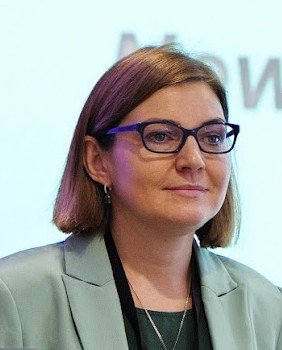
Agnieszka TOMALA
Politechnika Krakowska (PO)
Organisational Committee

Priv.-Doz. Dipl.-Ing Dr.
Nicole Dörr
ÖTG President
Univ.-Prof. Dr.-Ing.
Carsten Gachot
ÖTG Vice President

Ernst-Dieter Janotka
ÖTG General Secretary

Priv.-Doz. Dipl.-Ing. Dr.
Bernhard Scheichl, Hon. Assoc. Prof.
TU Wien
Institute of Fluid Mechanics and Heat Transfer

Dr.
Timea Erzsebet Varadi, MSc.
Floridsdorf Clinic
Medical Physics Unit
Venue, travel & accommodation
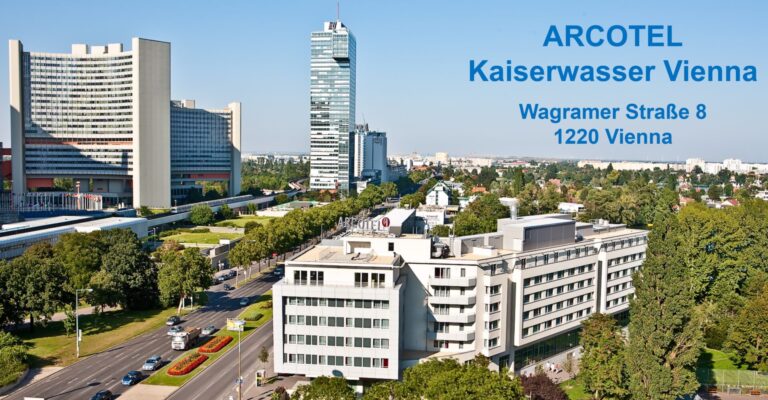
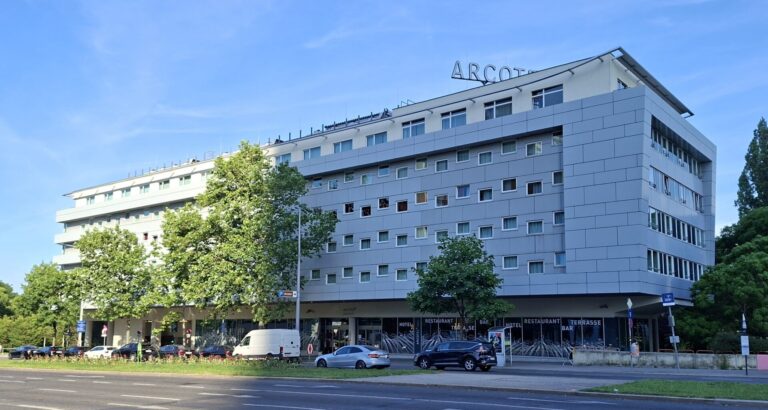
ARCOTEL Kaiserwasser Vienna
Wagramer Straße 8, 1220 Vienna, Austria
Information regarding the venue, travel and accommodation can be found here.
Hier klicken, um den Inhalt von Google Maps anzuzeigen.
Learn more in Google Maps’s privacy policy (opens in a new tab).
Call for technical talks
Please submit your name, organization, title and an abstract of max. 100 words of your contribution via this form.
As soon as your contribution has been accepted, please send us a high-resolution portrait photo and register for the symposium.
Call for posters
Please submit your name, organization, title and an abstract of max. 100 words of your poster via this form.
As soon as your poster has been accepted, please send us a high-resolution portrait photo and register for the symposium.
Your poster will be presented in the event area.
Exhibition stand
At the same time as the Symposium, a trade exhibition will be organized in the break area.
Please send your name, organization and information of your stand (e.g. electricity, monitor, table) to office@oetg.at.
Registration
The participation fee includes the symposium material (download, presentations on 18.11. and/or 19.11.), catering during breaks and lunch. Prices exclude VAT.
Contact
Dr. Nicole Dörr
President
Ernst-Dieter Janotka
Secretary General
If you have any questions about the ÖTG Symposium 2026, please feel free to contact us.
Sponsors